Two and a half hours away from the busy streets of Mexico City lies a hidden gem known as Valle de Bravo, a magical town that rests beside a lake where visitors have the opportunity to practice kayaking, water skiing, sailing, and more along the dock of the yacht clubs where one can rent boats or jet skis. But in recent years, Valle has ceased to be merely a vacation destination and has transformed into a residential area with a prime area for investments.
Specifically, the area known as Acatitlán has established itself as a top investment zone in Valle de Bravo. This is not only due to its mild climate, natural beauty, and convenient location alongside the road connecting to the town, Avándaro, and Mexico City, but also because it's a rapidly growing area offering services, entertainment centers, and community spaces.
This transformation is evident in the establishment of schools like Los Caracoles and Montessori Valle de Bravo, as well as commercial projects of the caliber of Barrio 28 and Garden de Walo. People no longer visit Acatitlán for a few days of leisure; they come seeking a new way of life.
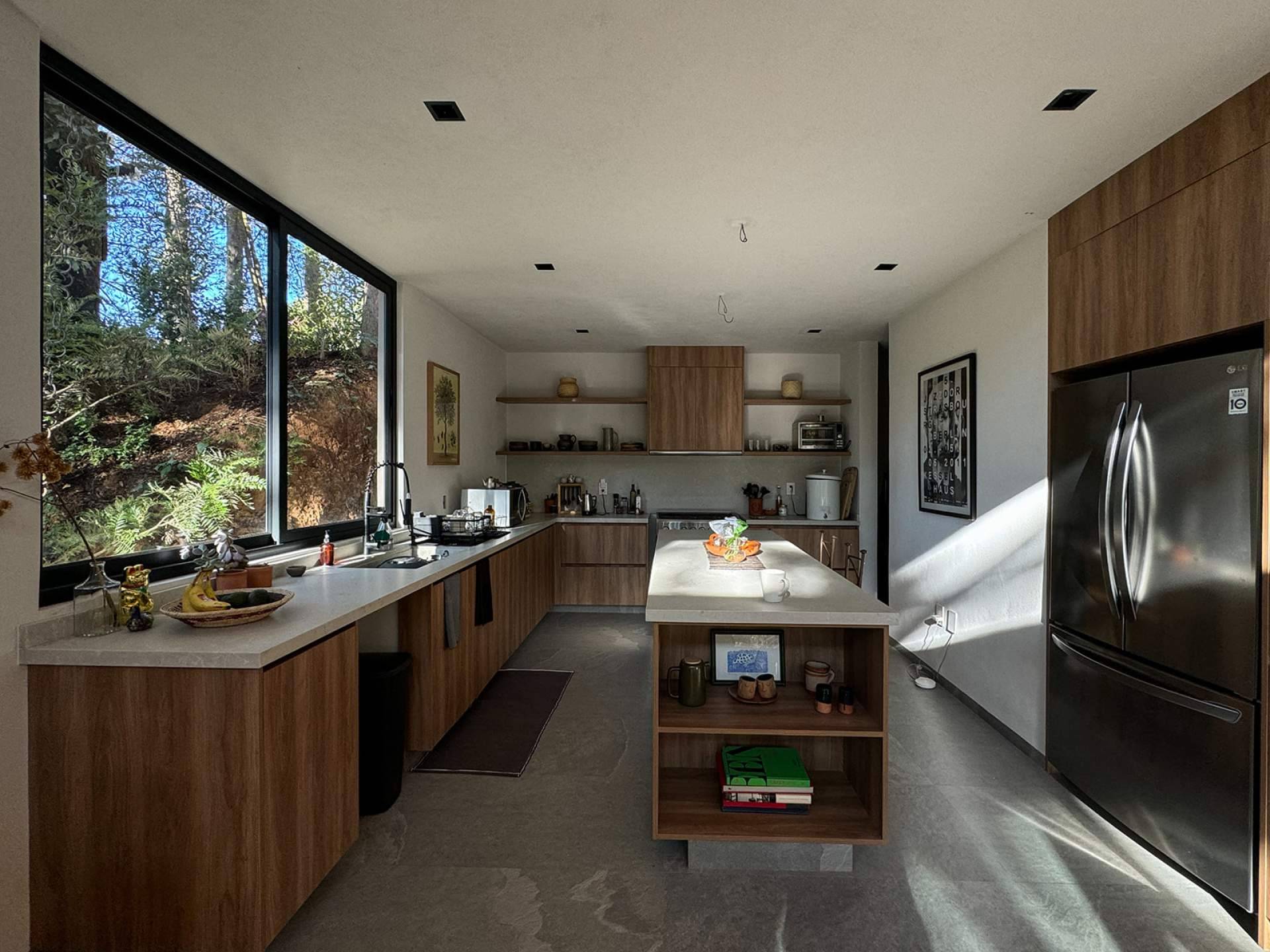
For example, at Rincón Acatitlán a unique comprehensive residential project is being developed in an unbeatable location within a 15-hectare plot of mountains, and canyons nestled in the Acatitlán Forest with the best of architecture, interior design with the latest trends in materials and finishes to maximize energy efficiency and reduce CO2 emissions.
More about Valle de Bravo
Beyond the tourist attraction of the lake, residential projects and its activities, if you want to delve into the cultural richness of Mexico, Valle de Bravo is an excellent place to do so.
Its original name was Pameje, of Mazahua origin, which changed during the early years of the Colony when it was granted the title of San Francisco del Valle de Temascaltepec. Years later, during the second half of the 19th century, it adopted the simple name by which we now know it in honor of General Nicolás Bravo.
This enchanting magical town has a captivating history that predates the early colonial era. For instance, next to the Central Garden of Independence Plaza stands the parish dedicated to San Francisco de Asís. According to Mexico Desconocido, the construction of this church began in 1880, and it still preserves a tower from the 16th century, along with a quarry bell tower.
Another vital aspect of Valle de Bravo is its crafts market, which showcases the artisanal productions of three significant ethnic groups in Mexico: the Matlazincas, Mazahuas, and Otomíes. Here, one can discover textile works, characteristic brown clay pottery from this region, as well as high-temperature ceramics, gold and silver jewelry, wrought iron works for planters, doors, windows, and delicate woodwork.
Valle de Bravo is renowned as a sanctuary for wellness, relaxation, and spiritual cultivation. Since pre-Hispanic times, Indigenous communities have utilized timescales as communal baths. These steam lodges were not only used to cleanse impurities but also served as therapeutic sanctuaries for the sick, purifying both body and spirit; timescales are still available in relaxation spots.
From its tranquil lakeside vistas to its crafts markets, this Pueblo Mágico captivates visitors with its blend of natural beauty and cultural richness. As Acatitlán evolves into a thriving residential hub, it invites investors seeking a slice of paradise amidst the natural landscapes of Valle de Bravo.
For more information about Rincón Acatitlán residences, contact us through our official TWOLANDER Whatsapp or visit our website twolander.com.